

CJI Sanjiv Khanna’s short but impactful tenure reinforced core constitutional values through calm leadership and bold judicial interventions.
News Desk, New Delhi, 12-May: In a tenure that may have been brief but profound in consequence, Chief Justice of India Sanjiv Khanna leaves behind a legacy rooted in judicial restraint, clarity, and unwavering commitment to constitutional ideals. Appointed as the 52nd Chief Justice of India, Justice Khanna presided over crucial matters that subtly but powerfully shaped India’s legal discourse.
Despite holding office for just over six months, CJI Khanna’s leadership within the Supreme Court stood out for its integrity and emphasis on rule of law. He consistently advocated that judicial authority must be exercised with precision, not pomp. His judgments echoed a philosophy that institutional strength lies not in noise, but in the quiet upholding of justice.
Among his notable interventions was his handling of contempt proceedings involving high-ranking state officials. In a recent case, Justice Khanna issued stern warnings and imposed penalties on government officers for flouting court directives — reinforcing that compliance with judicial orders is non-negotiable in a democracy.
A landmark moment during his tenure came with the Supreme Court’s decision asserting that accused individuals under the PMLA (Prevention of Money Laundering Act) are entitled to access the list of materials not relied upon by the Enforcement Directorate. The ruling was seen as a win for due process and transparency — values Justice Khanna repeatedly championed during his career.
His courtroom also maintained a consistent focus on police accountability and the fundamental rights of the accused, ensuring that procedural fairness remained central to criminal justice. Whether it was cautioning law enforcement agencies or ensuring the right to legal representation, his decisions reflected balance — stern but just.
In one of his speeches, Justice Khanna highlighted that judges must act without fear or favour, and that their role is not to dominate headlines but to uphold the Constitution silently yet sturdily. This sentiment reflects his entire approach to leadership: less rhetoric, more responsibility.
With his retirement on July 26, 2025, the judiciary bids farewell to a judge who brought calm confidence to a highly polarised legal landscape. Though he avoided media limelight, his judicial footprints are etched deeply in the annals of constitutional interpretation.
For more legal insights and updates, explore our News section or watch expert breakdowns on our YouTube channel.
🔗 Useful Links
- For trending legal developments, visit our Most Popular stories.
- Stay updated with national legal news.
- Browse exclusive views and debates on our Insight page.
- For legal support, check our Legal Helpline.
🔗 YouTube Channel : The Legal Observer
- For expert legal video explainers, visit our YouTube channel.

In House Development | The Legal Observer
-
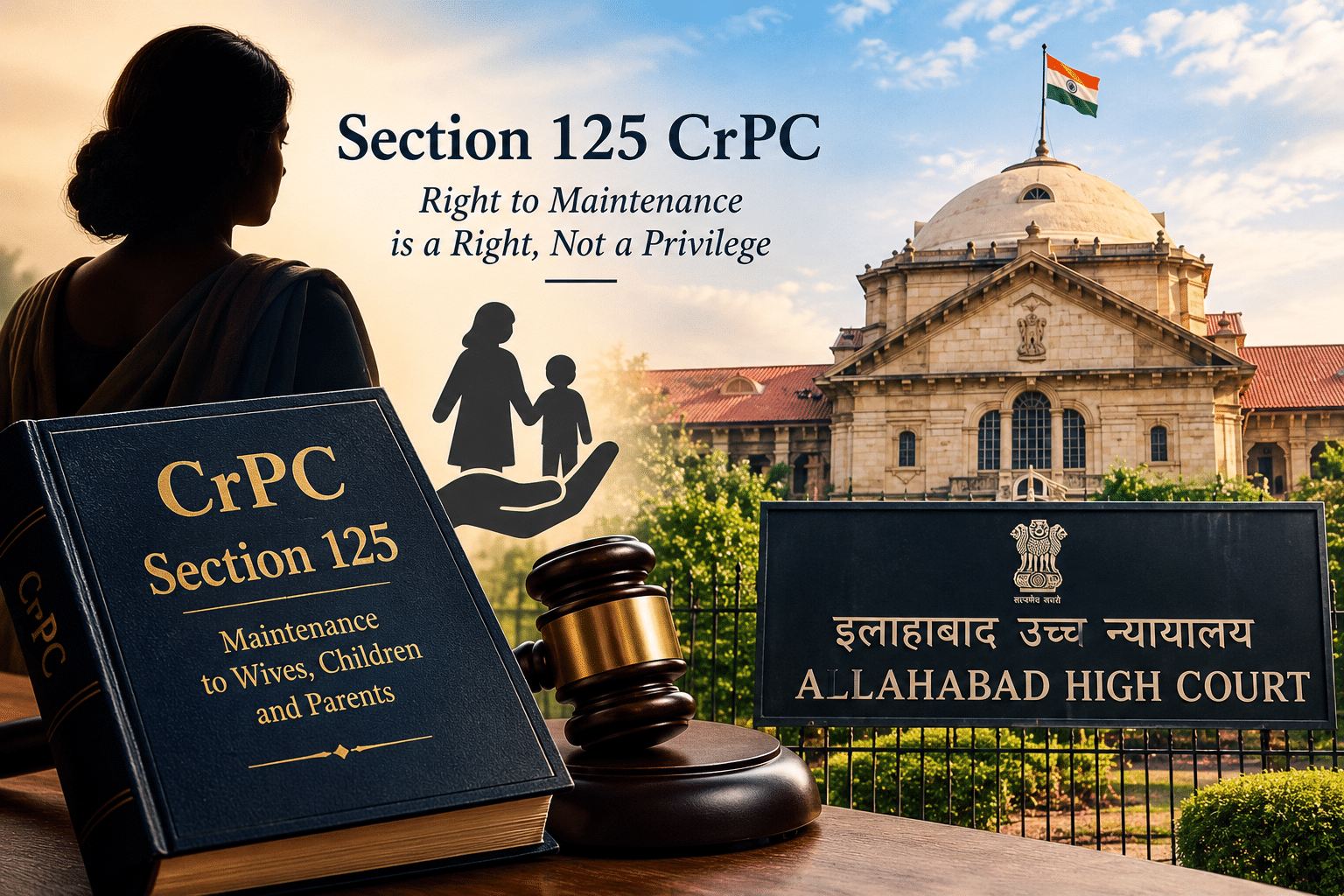
Desertion Divorce & Maintenance Under S.125 CrPC | The Legal Observer
-

Same-Sex Couple’s Article 21 Right | The Legal Observer
-
SC: Specific Performance Sale Cannot Be Undone | The Legal Observer
-
Calcutta HC Orders Return of 3-Year-Old Child | The Legal Observer