New Delhi, July 23: The temporary closure of the Supreme Court Metro station amid ongoing student protests was brought to the attention of the Supreme Court on Thursday by Supreme Court Bar Association (SCBA) President Vikas Singh. He urged the Court to consider allowing lawyers, litigants, and court staff with valid access passes to use the station despite the restrictions.
The issue was mentioned before Chief Justice of India Surya Kant during court proceedings. Singh highlighted the inconvenience caused to members of the legal fraternity, litigants, and Registry employees who rely on the Metro station for easy access to the Supreme Court.
He suggested that individuals holding valid Supreme Court entry passes, along with Registry staff, should be permitted to exit at the Supreme Court Metro station after undergoing appropriate security screening. According to Singh, such an arrangement would maintain security while ensuring uninterrupted access to the apex court for those with legitimate business.
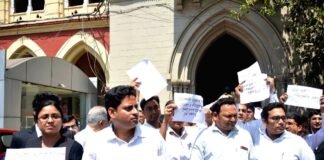
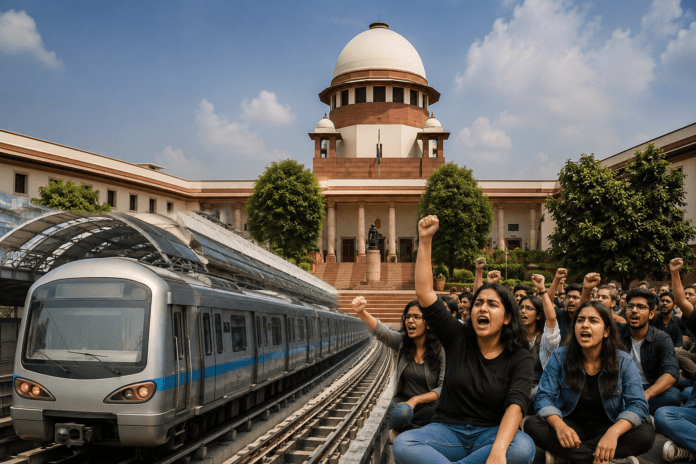
The closure of the Metro station comes in the wake of ongoing student protests in the national capital, prompting heightened security measures around the Supreme Court and surrounding areas. The restrictions have significantly affected daily commuters, particularly advocates, court staff, and litigants attending hearings.
Singh emphasized that a controlled access system, backed by security checks and verification of Supreme Court entry passes, would strike a balance between public safety and the smooth functioning of judicial proceedings.
The Chief Justice took note of the submission made by the SCBA President. Any decision regarding access to the Metro station is expected to involve coordination with the concerned authorities responsible for security and Metro operations.
The issue underscores the challenges of maintaining security during periods of public demonstrations while ensuring that essential judicial services remain accessible to those who require them.