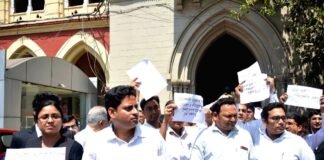
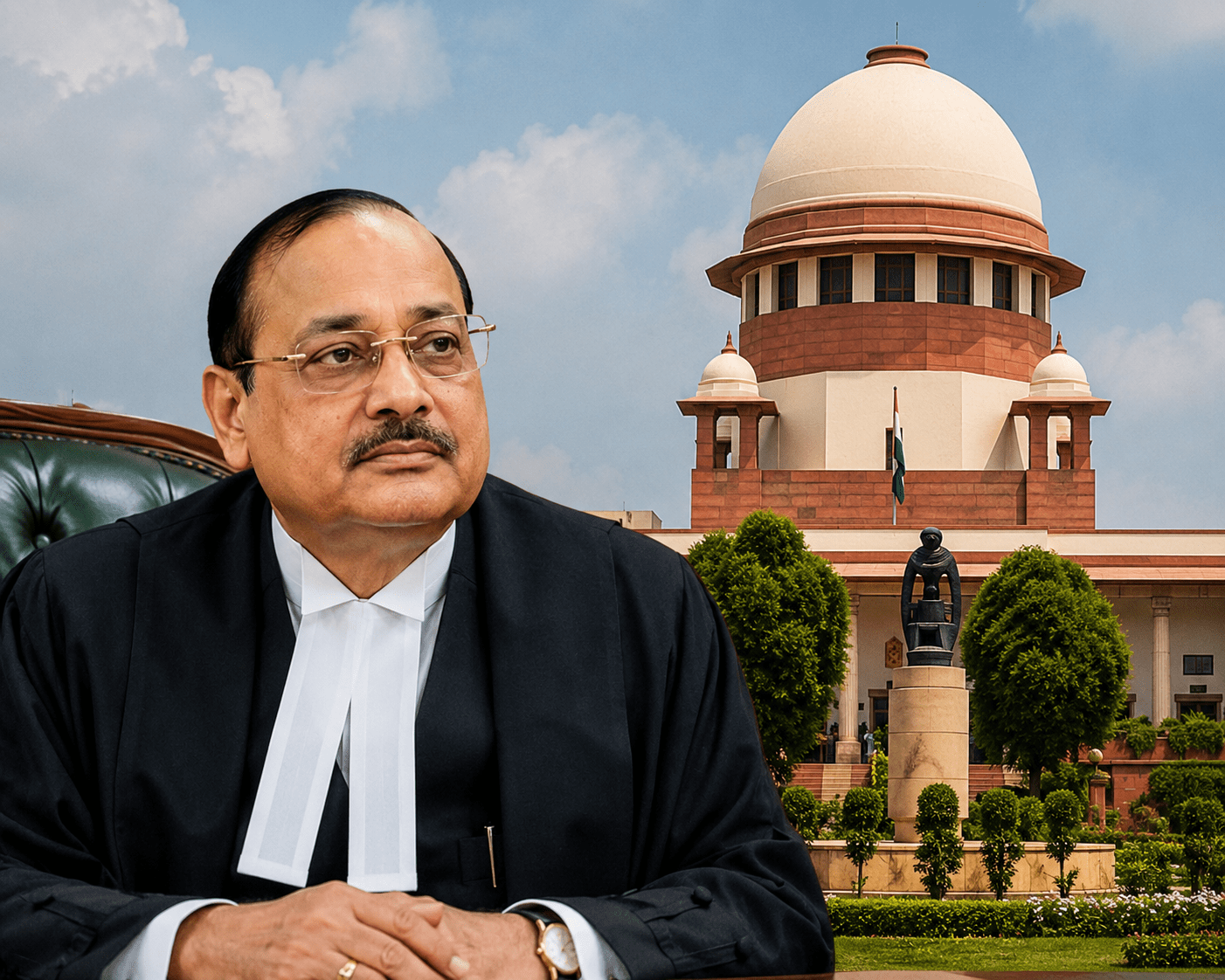
Hearing petitions over alleged police action during protests in Bihar and the July 20 ‘Sansad Chalo’ march, the Court stressed that peaceful demonstrations enjoy constitutional protection.
The Supreme Court on Monday reaffirmed that the right to peaceful protest is “absolutely guaranteed” under the Constitution, observing that law enforcement authorities cannot resort to a lathicharge merely because people are participating in an agitation.
The observations came while the Court was hearing the mentioning of a petition filed by RJD leader Manoj Jha, who raised concerns over the alleged use of force, including the reported deployment of AK-47 rifles, against protesters in Bihar.
The Bench tagged the petition with other pending pleas seeking an independent probe into the events of July 20, when students participating in the ‘Sansad Chalo’ march towards Parliament allegedly faced tear gas shelling and baton charges by police.
During the hearing, the Supreme Court underscored the constitutional importance of peaceful demonstrations, stating:
“The right to peaceful, lawful protest [is] absolutely guaranteed under the Constitution. So long as it is peaceful agitation, merely because there is agitation, there can’t be lathicharge.”
The Court’s remarks reiterate the constitutional protection afforded to citizens under Article 19 of the Constitution, which guarantees freedoms including the right to assemble peacefully and without arms, subject to reasonable restrictions imposed by law in the interests of public order and other constitutionally recognised grounds.
Although the Court did not deliver a final ruling on the allegations during Monday’s proceedings, its observations highlight that any use of force by law enforcement must be proportionate, lawful and justified by the circumstances, rather than being an automatic response to public demonstrations.
The petitions before the Court seek an investigation into the alleged police action during the Bihar protests and the July 20 march, where protesters claimed excessive force was used to disperse demonstrators.
The matter is expected to proceed before the Supreme Court alongside the connected petitions, where the Court will examine the allegations and determine whether further directions or an inquiry are warranted.
Readers can follow similar constitutional and public law developments in the https://thelegalobserver.com/category/news/ and https://thelegalobserver.com/category/news/national/ sections. In-depth analysis on constitutional rights and civil liberties is available in https://thelegalobserver.com/category/views/insight/, while broader legal commentary can be found at https://thelegalobserver.com/. Video explainers on significant judicial developments are also available on the official https://www.youtube.com/@thelegalobserver channel.