
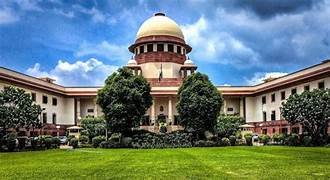
The Supreme Court ruled that a tenant cannot force a landlord to choose another property for business, reaffirming landlord rights and bona fide requirement.
In a significant ruling strengthening landlord rights, the Supreme Court has clarified that tenants cannot interfere with a landlord’s genuine business needs.
The Supreme Court has categorically held that a tenant cannot dictate to a landlord which property should be treated as suitable for fulfilling the landlord’s bona fide business requirement. The Court further observed that a tenant has no authority to insist that the landlord should start a business from some other premises suggested by the tenant.
Allowing an appeal filed by the landlord, the apex court set aside a Bombay High Court order which had overturned concurrent findings of the lower courts. Those courts had earlier accepted the landlord’s plea that the premises in question were genuinely required to start a business.
The Supreme Court emphasised that the choice of premises lies exclusively with the landlord, provided the requirement is honest and genuine. Once bona fide need is established, courts should not substitute their own views or accept suggestions from tenants about alternative accommodations.
The Bench noted that judicial scrutiny in eviction matters must remain limited. Courts are required to assess the truthfulness of the landlord’s need, not to evaluate whether a “better” or “more suitable” property exists. Doing so, the Court cautioned, would amount to rewriting the landlord’s business decision.
This ruling aligns with long-standing principles laid down by the Supreme Court in earlier cases, reinforcing that tenants cannot question the commercial wisdom of landlords. The judgment is expected to have a wide impact on landlord-tenant disputes across the country, particularly those involving claims of personal or business necessity.
Legal experts believe the decision brings much-needed clarity and consistency to rent control jurisprudence. Readers interested in similar landmark rulings may explore more legal updates on The Legal Observer and its National News section.
The ruling also strengthens protections for property owners facing prolonged litigation despite proving genuine need. For broader perspectives and expert legal insights, readers can visit the Insights section or watch legal explainers on The Legal Observer’s YouTube channel.